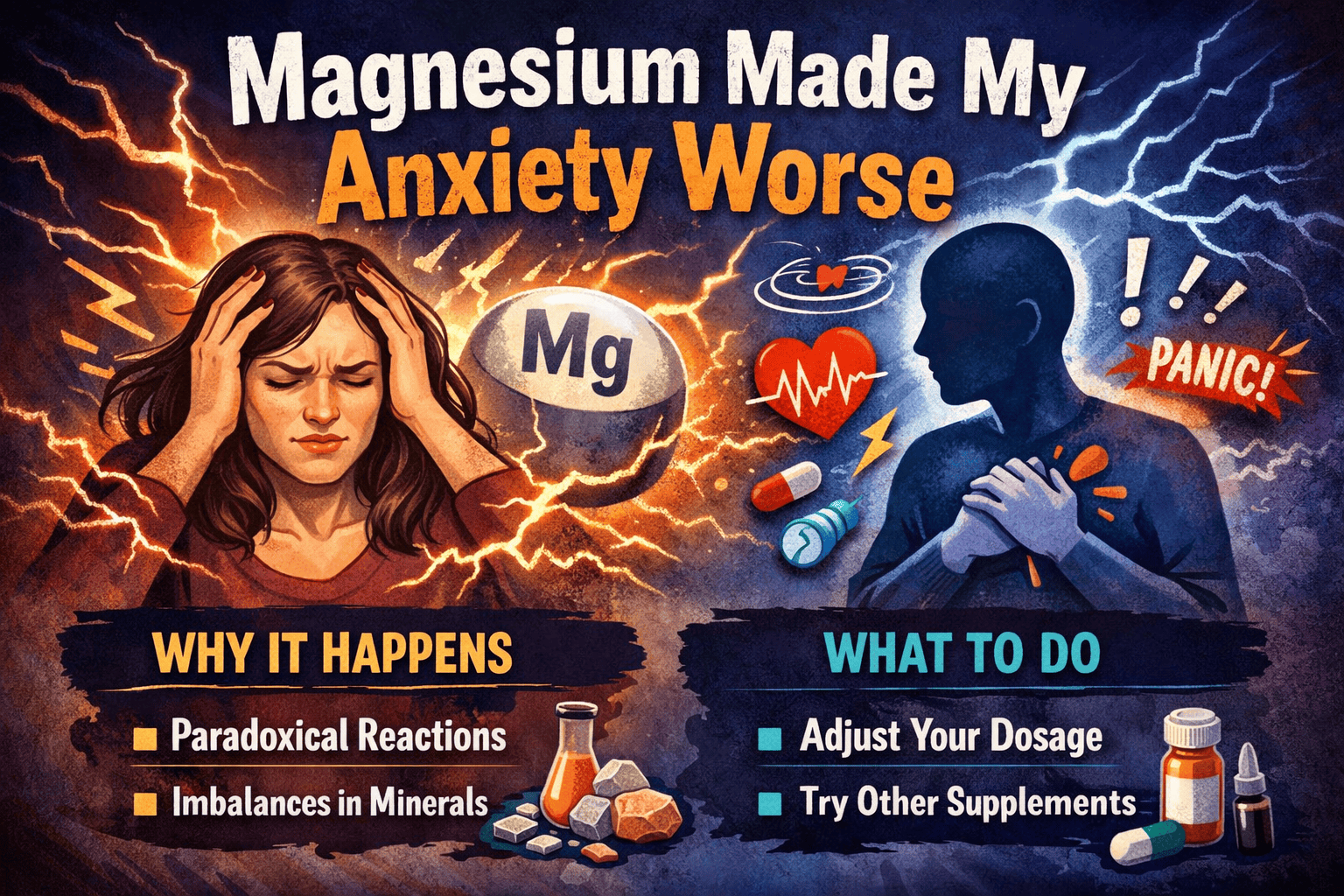
Magnesium Made My Anxiety Worse? Why It Happens + What to Do
Most “anxiety worse” reactions are dose, timing, or stacking — not toxicity. A weird body signal can become anxiety if you interpret it as danger.
- Stop magnesium for 48–72 hours to see if symptoms settle
- If you retry: start at 100–150 mg elemental for 5–7 nights
- Take it earlier (with dinner), not right before bed
- Remove stacks temporarily (melatonin, THC/alcohol, sedating antihistamines; avoid late caffeine)
- If it started with glycinate, try taurate or malate, or pause supplements and focus on food
- If you have diarrhea: rehydrate and restore electrolytes (dehydration can amplify anxiety/palpitations)
- If anxiety is severe, panic is recurring, or you feel unsafe → stop and speak with a clinician
Can magnesium make anxiety worse?
Yes, it can in some people.
Usually it’s dose/timing/form/stacking or a body-signal → panic loop, not toxicity.
Why does magnesium make my anxiety worse?
Most often it’s a sensation problem: GI discomfort, dizziness/lightheadedness, sleep disruption, or “heart feels loud.” Those body signals can become anxiety if your brain labels them as danger.
Magnesium anxiety worse after taking it (what to do)
Pause 48–72 hours. If symptoms settle and you want to retry, restart low-dose (100–150 mg elemental), take with dinner, and remove stacks for a week. If the pattern repeats twice, stop and move on.
Magnesium anxiety worse at night
Night dosing increases the chance of sleep disruption, vivid dreams, and “wake and scan” anxiety. If anxiety is worse at night, the safest first move is taking magnesium with dinner instead of right before bed.
Magnesium made my anxiety worse the next day
Next-day anxiety often reflects sleep architecture changes (late dosing), dehydration from GI effects, or stacking (melatonin/alcohol/THC/antihistamines). Move earlier, lower dose, and simplify first.
Why it happens (most common causes)
Dose too high (more noticeable body sensations)
High elemental doses (especially in one serving) can cause GI movement, weakness/lightheadedness, and heightened heartbeat awareness. In anxiety-prone people, that becomes a trigger.
Timing too late (sleep disruption → anxiety)
Late dosing can intensify dreams or cause awakenings. Waking at 2–4am with a strong body sensation is a classic anxiety amplifier.
Form mismatch (glycinate vs threonate vs citrate)
Citrate is more GI-active for many; oxide is commonly poorly tolerated; threonate may shift dream/sleep perception in some; glycinate is often chosen for gentler “landing,” but nothing is universal.
GI effects (nausea/diarrhea → lightheaded/anxious)
GI upset can feel like anxiety. Nausea, cramping, and urgency increase sympathetic tone. If diarrhea occurs, dehydration can amplify palpitations and anxiety sensations.
Stacking (melatonin, caffeine, alcohol/THC, antihistamines, sedating herbs)
Stacking is a major confounder. Caffeine raises sympathetic tone. Alcohol/THC can fragment sleep. Antihistamines and melatonin can change next-day perception. Keep a clean trial.
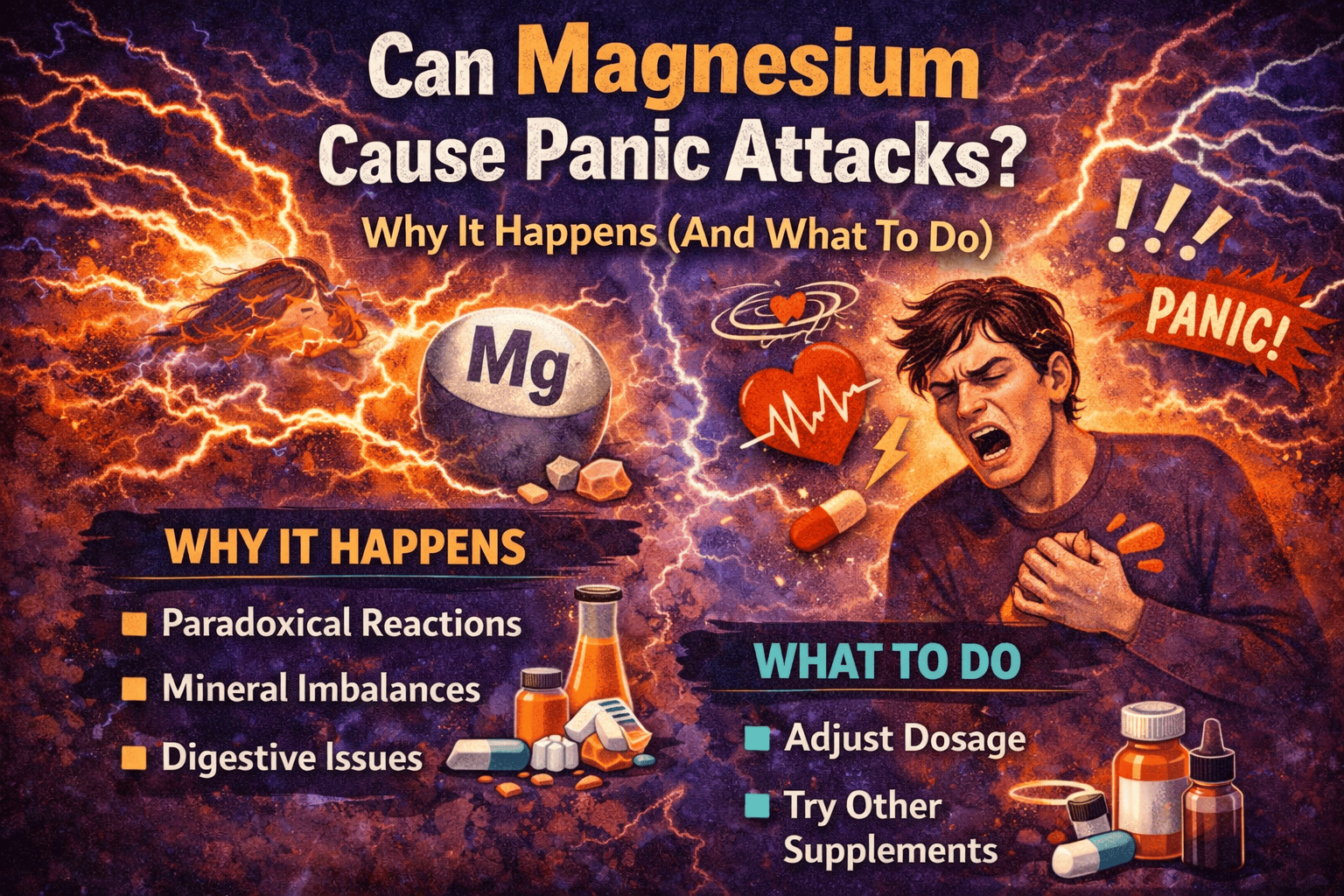
Palpitations/tingles interpreted as danger (panic loop)
A weird body signal can become anxiety if you interpret it as danger. The loop becomes: sensation → threat → adrenaline → more sensation.
Magnesium glycinate made my anxiety worse
This is the most searched version. The common fix path is: stop → restart low → take with dinner → remove stacks. If it repeats twice, try a different form (taurate or malate) or pause supplementation and focus on food.
Magnesium threonate anxiety
If threonate changes sleep/dream perception, nighttime awakenings can amplify anxiety. Move earlier and reduce dose first.
Magnesium citrate anxiety
Citrate is more likely to cause GI movement. GI discomfort can feel like anxiety, and dehydration can amplify palpitations.
Magnesium taurate anxiety
People search this often. Taurate may feel “steadier” for some people, but dose and timing still dominate outcomes.
Too much magnesium anxiety symptoms
“Too much” usually means too much for your tolerance: GI upset, dizziness/lightheadedness, grogginess, or heightened body sensations that trigger anxiety. The adult supplemental UL is often cited as 350 mg/day primarily due to diarrhea risk. (External: NIH ODS)
How much magnesium is too much (for anxiety)?
There’s no single number for everyone. If you’re anxiety-prone, start at 100–150 mg elemental and titrate slowly. Avoid big bedtime doses.
Best time to take magnesium for anxiety
Dinner or early evening is often best for sensitive users. Right-before-bed dosing is more likely to produce sleep disruption or next-day “off” feelings.
Magnesium with melatonin anxiety
Stacking can change sleep physiology (dreams, awakenings, grogginess). If anxiety rises, remove melatonin first and keep magnesium stable.
Magnesium with caffeine anxiety
Caffeine raises sympathetic tone. Magnesium side effects add “body noise.” Stabilize caffeine timing and total intake during your test week.
Magnesium and alcohol anxiety
Alcohol can fragment sleep and worsen next-day anxiety. If you’re troubleshooting magnesium, avoid alcohol during your clean trial.
Magnesium heart palpitations anxiety
Palpitations can trigger anxiety, which increases palpitations. If magnesium caused GI upset or dehydration, you can feel a “heart racing” loop even without dangerous rhythm.
Magnesium feels weird / brain fog anxiety
Spacey or foggy feelings often come from late dosing, sleep disruption, or stacking. Move earlier and simplify first.
Magnesium vivid dreams anxiety
Vivid dreams and awakenings can amplify anxiety the next day. Timing earlier is the fastest first fix.
Magnesium diarrhea dehydration anxiety
If diarrhea occurred, rehydrate and restore electrolytes from food. Dehydration symptoms (external): MedlinePlus
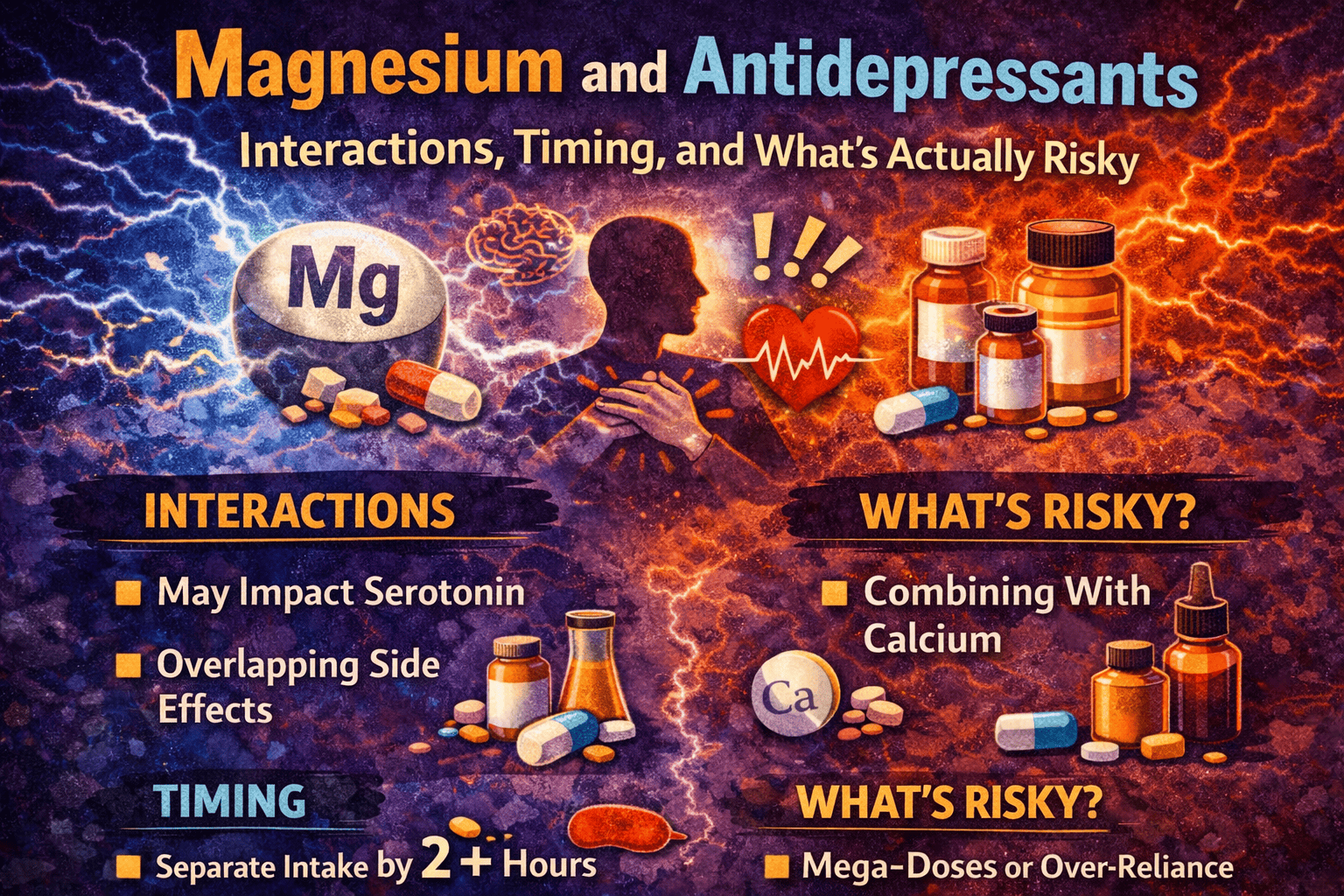
Magnesium and SSRI anxiety
Often overlap: SSRIs can shift sleep and anxiety early in treatment; magnesium can add GI or sedation effects. Keep magnesium conservative and avoid adding it during medication changes if you’re troubleshooting side effects.
Magnesium and antidepressants anxiety
Most concerns are side-effect overlap and timing with other medications—not a dangerous direct interaction. Keep the trial clean and one-variable-at-a-time.
Magnesium and Wellbutrin anxiety
Wellbutrin can feel activating for some people. If magnesium adds GI distress or sleep disruption, anxiety can spike. Keep dosing conservative and stable.
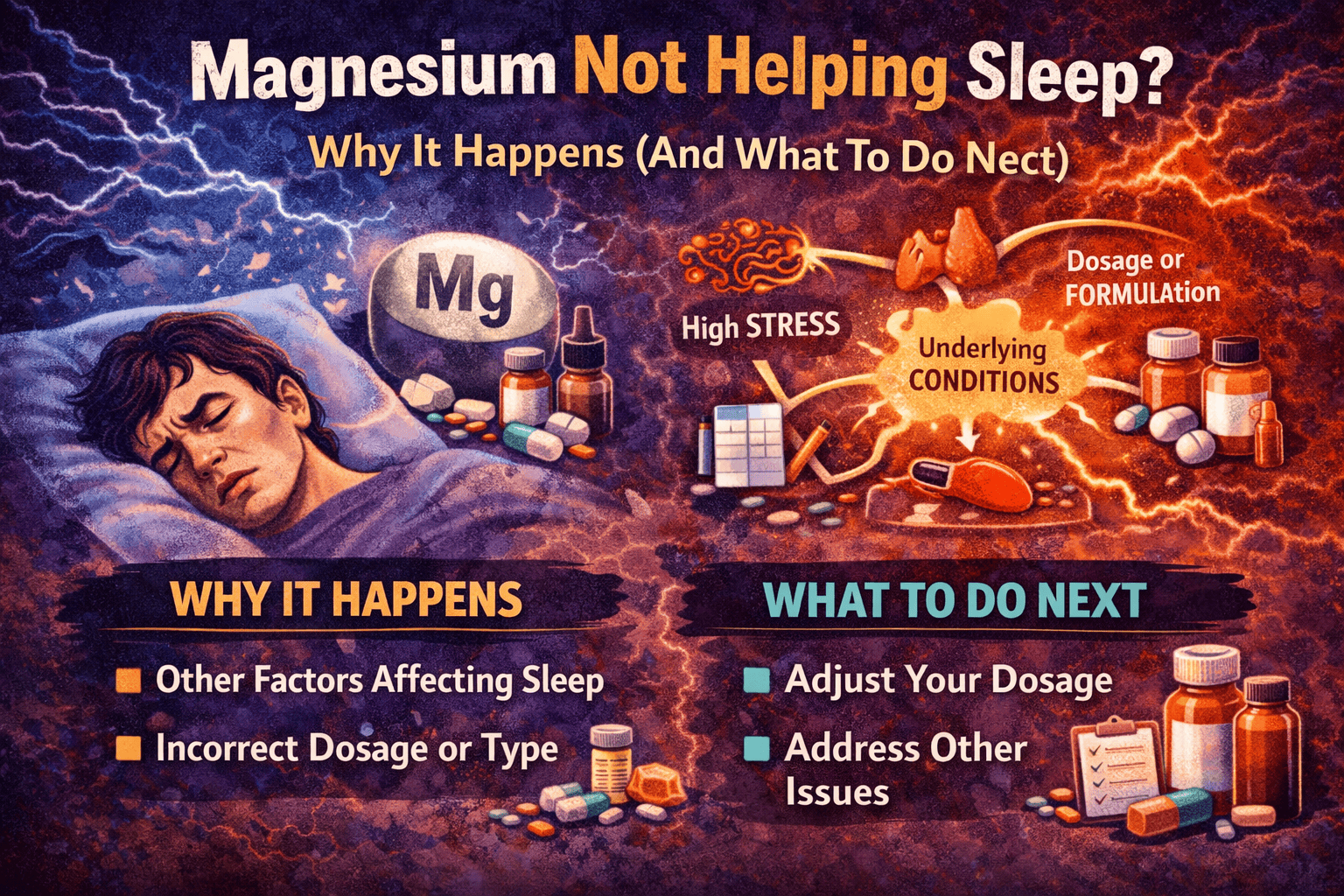
How long does anxiety from magnesium last?
Short answer: If magnesium is the trigger, many people feel better within 24–72 hours after stopping.
- Immediate (hours to 1–3 days): dose/timing/form/stacking or GI distress is the driver.
- 3–14 day adjustment window: sleep changes and routine changes settle as you stabilize timing and remove confounders.
- Persistent: likely not magnesium → investigate other drivers (sleep debt, caffeine, illness, medication changes, stress).
When it’s probably not the magnesium
Stress spike, illness, stimulant use, med changes, sleep debt. If any of those changed, magnesium may be a coincidence. Use a clean 5–7 day re-test before concluding cause.