
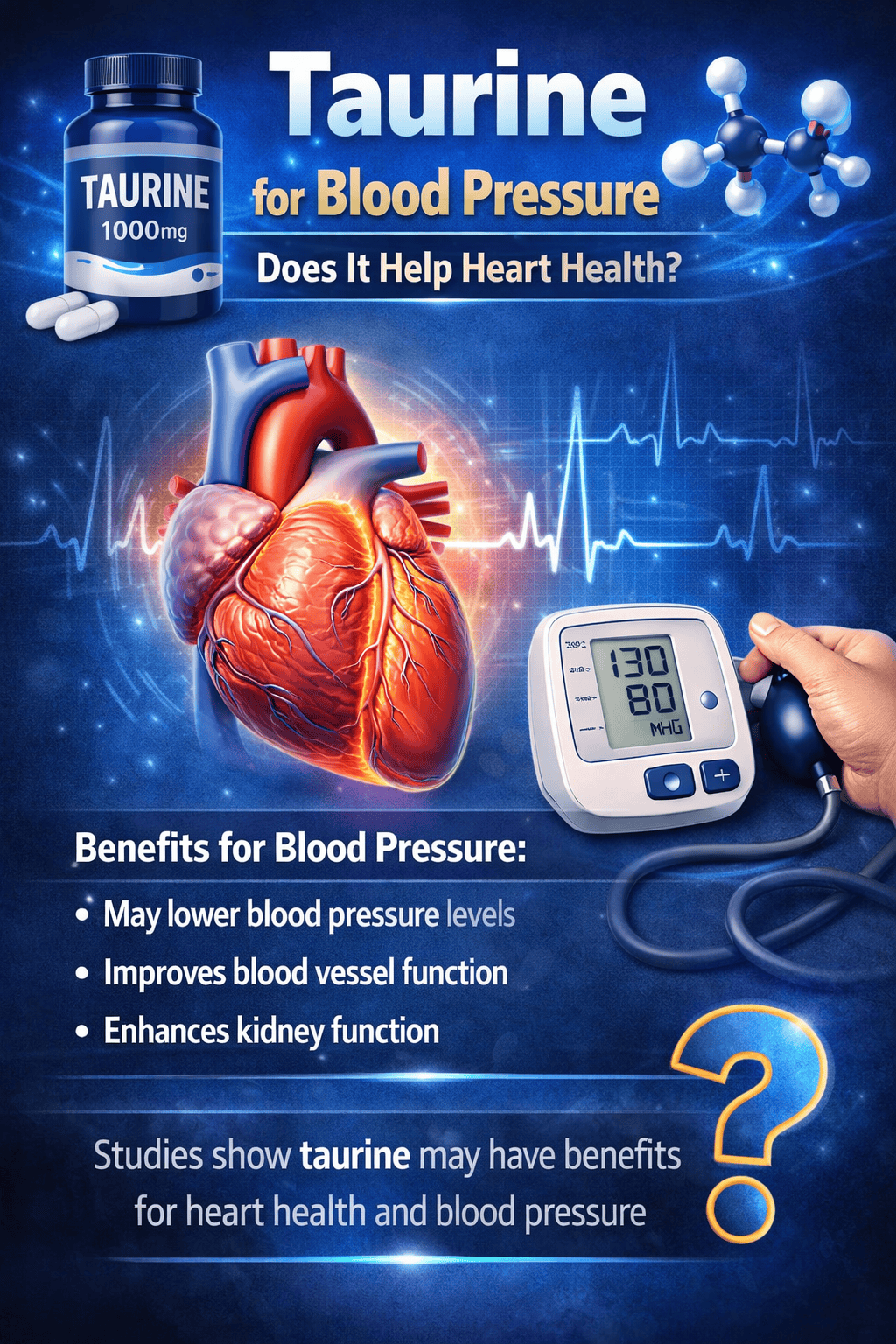
Taurine for Blood Pressure: Does It Help Heart Health?
Taurine Cardiovascular Guide By VerifiedSupps Editorial Team Taurine for Heart Health and Blood Pressure: Benefits, Dosage, and Safety Taurine looks legitimately promising for blood pressure, vascular function, and broader cardiometabolic support. The strongest human data are not about dramatic “heart
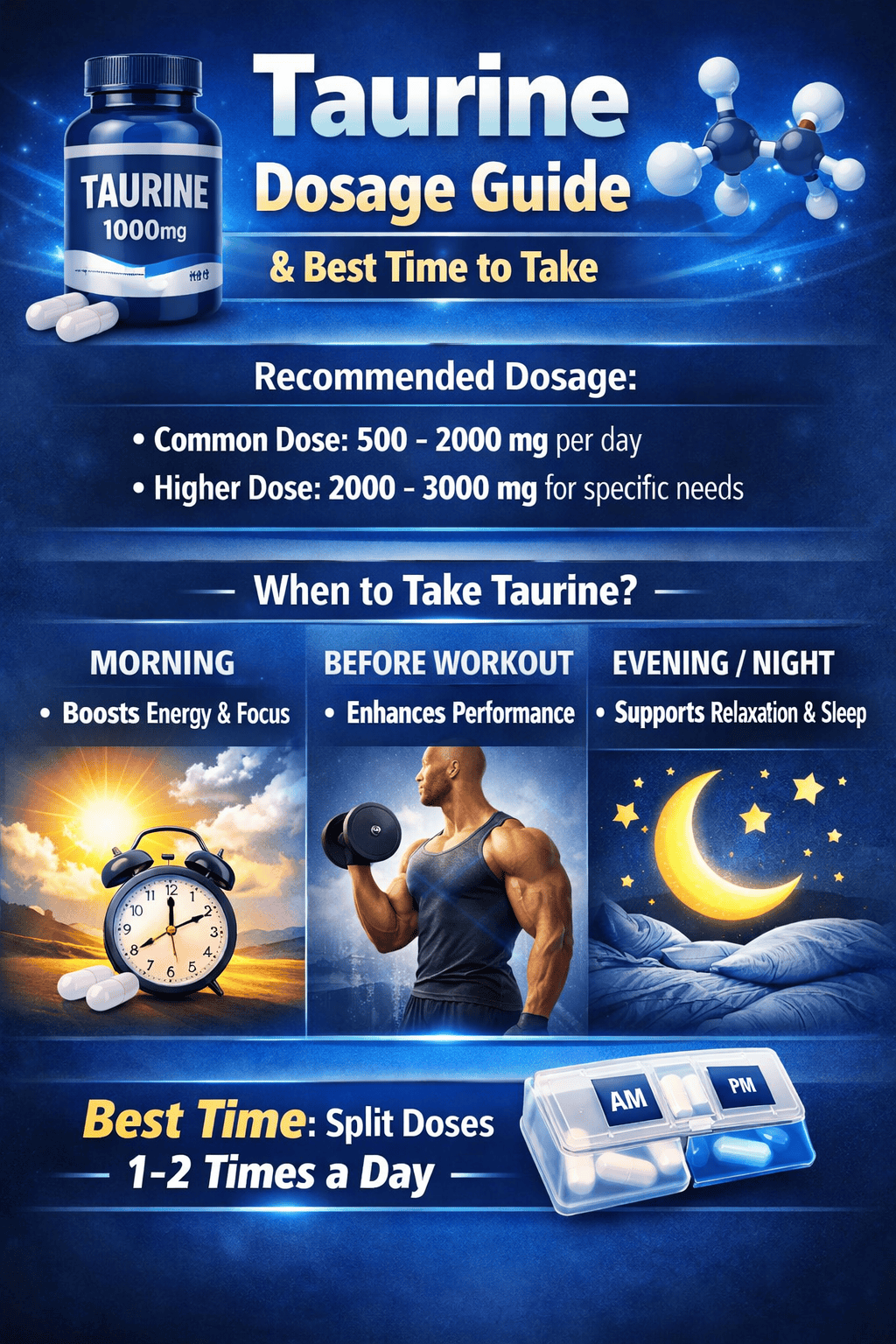
Taurine Dosage Guide: How Much to Take and Best Time to Take It
Taurine Dosing & Timing By VerifiedSupps Editorial Team Taurine Dosage Guide: How Much to Take and Best Time to Take It For most adults using taurine as a supplement, the practical range is 1–3 g/day. If your goal is performance,
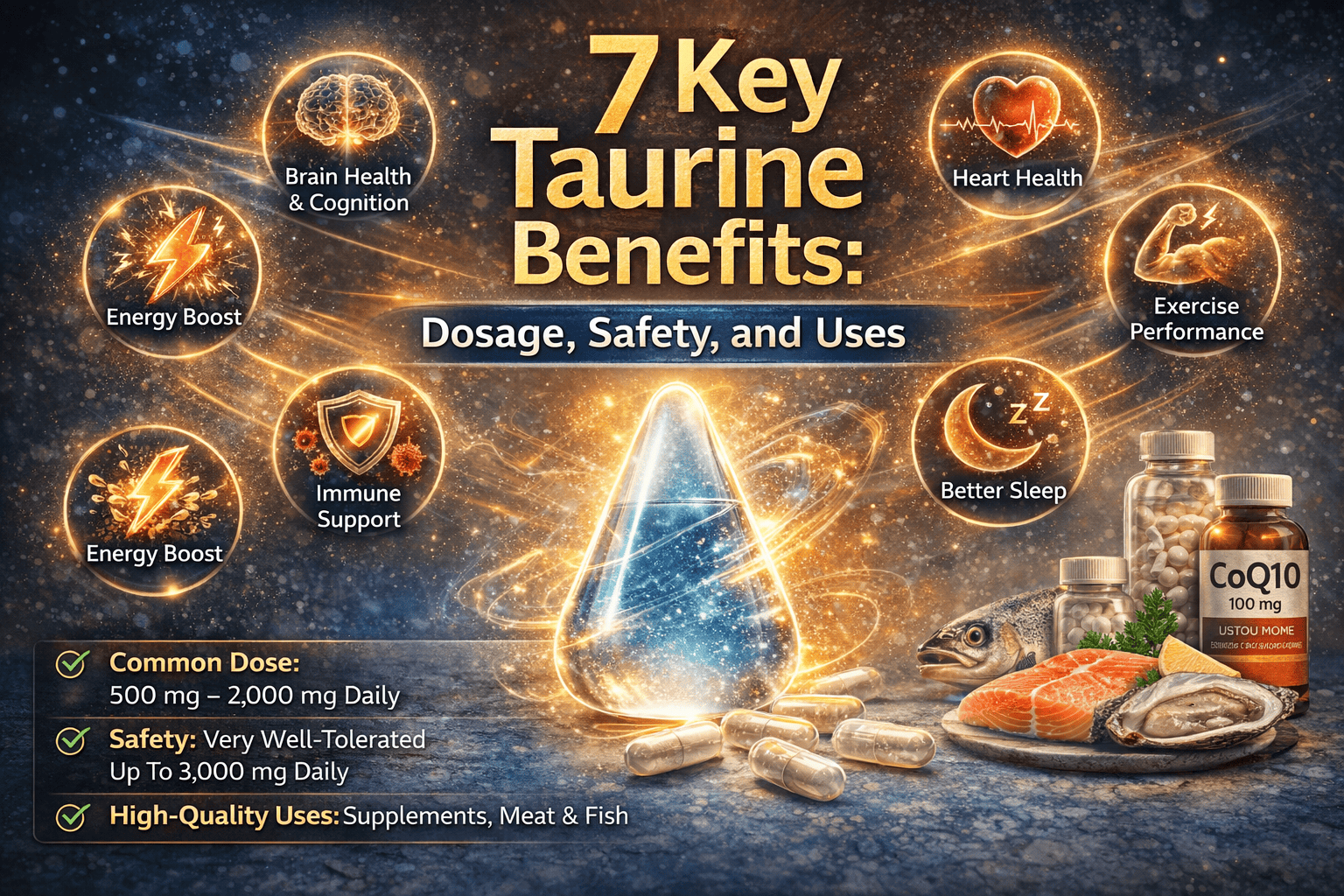
Taurine Benefits: What It Does, Dosage, Safety, and Who It’s For
Taurine Guide By VerifiedSupps Editorial Team Taurine Benefits: The Complete Science-Backed Guide Taurine is one of those supplements that sounds bigger online than it usually feels in real life. The best human evidence is not “it changes everything.” It is
CoQ10 Side Effects: What’s Normal (and When to Stop)
CoQ10 Safety Guide By VerifiedSupps Editorial Team CoQ10 Side Effects: What’s Normal (and When to Stop) Most CoQ10 side effects are mild if they happen at all. The usual pattern is nuisance-level stomach upset, nausea, loose stool, or occasional sleep
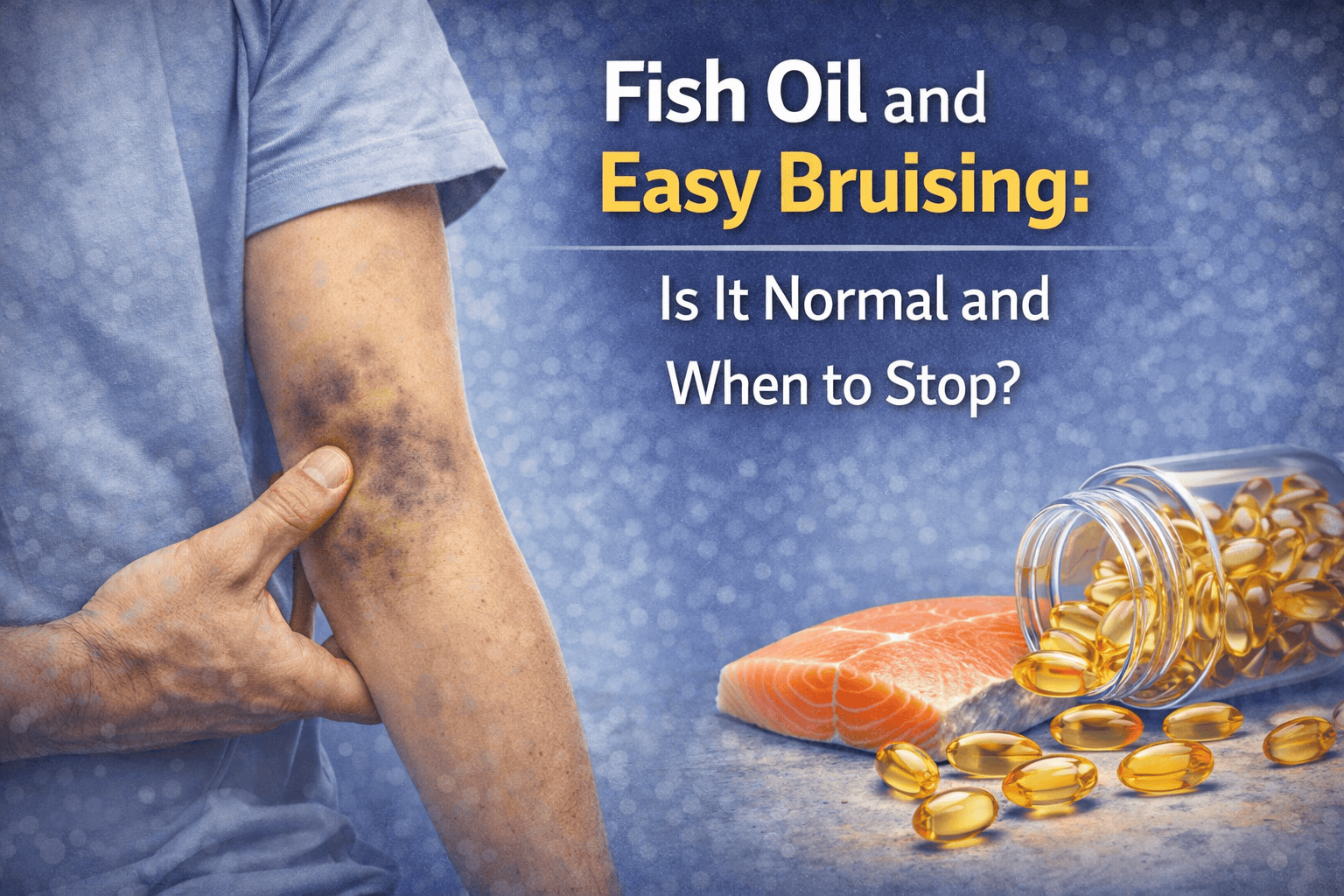
Fish Oil and Easy Bruising: Is It Normal and When to Stop?
Fish oil side-effect guide By VerifiedSupps Editorial Team Fish Oil and Bruising: Is It Normal (and When to Stop)? Maybe. Fish oil can make some people bruise a little more easily, especially at higher doses or when it is combined
Fish Oil Nausea and Upset Stomach: Why It Happens and How to Fix It
Fish oil side effects, simplified By VerifiedSupps Editorial Team Fish Oil Nausea / Upset Stomach: Why It Happens (and Fixes That Work) Yes, fish oil can make some people feel nauseous or leave them with an unsettled stomach. That usually
Fish Oil Diarrhea and Loose Stools: Why It Happens and How to Fix It
Fish oil side effects, simplified By VerifiedSupps Editorial Team Fish Oil Diarrhea / Loose Stools: Why It Happens (and How to Fix It) Yes, fish oil can cause diarrhea or loose stools. That does not automatically mean fish oil is
Creatine Bloating and Water Retention: Why It Happens and How to Reduce It
Creatine side effects, simplified By VerifiedSupps Editorial Team Creatine Bloating / Water Retention: Why It Happens (and How to Reduce It) Creatine can make your body weight rise quickly, especially during a loading phase, but that usually reflects extra body
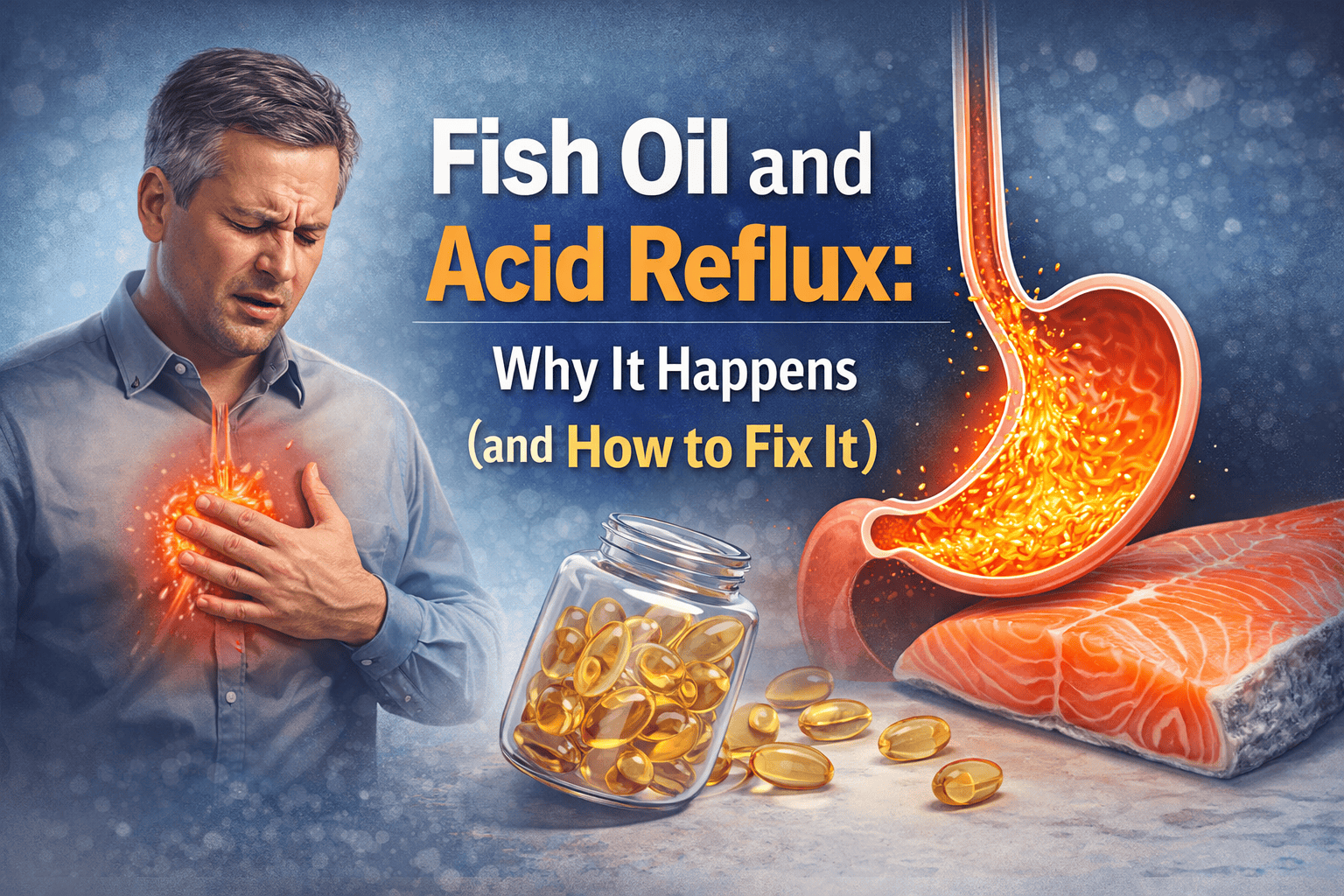
Fish Oil and Acid Reflux: Why It Happens (and How to Fix It)
Fish Oil • Acid Reflux • Heartburn • Burping • Timing By VerifiedSupps Editorial Team Fish Oil and Acid Reflux: Why It Happens (and How to Fix It) Yes, fish oil can cause acid reflux or reflux-like symptoms in some
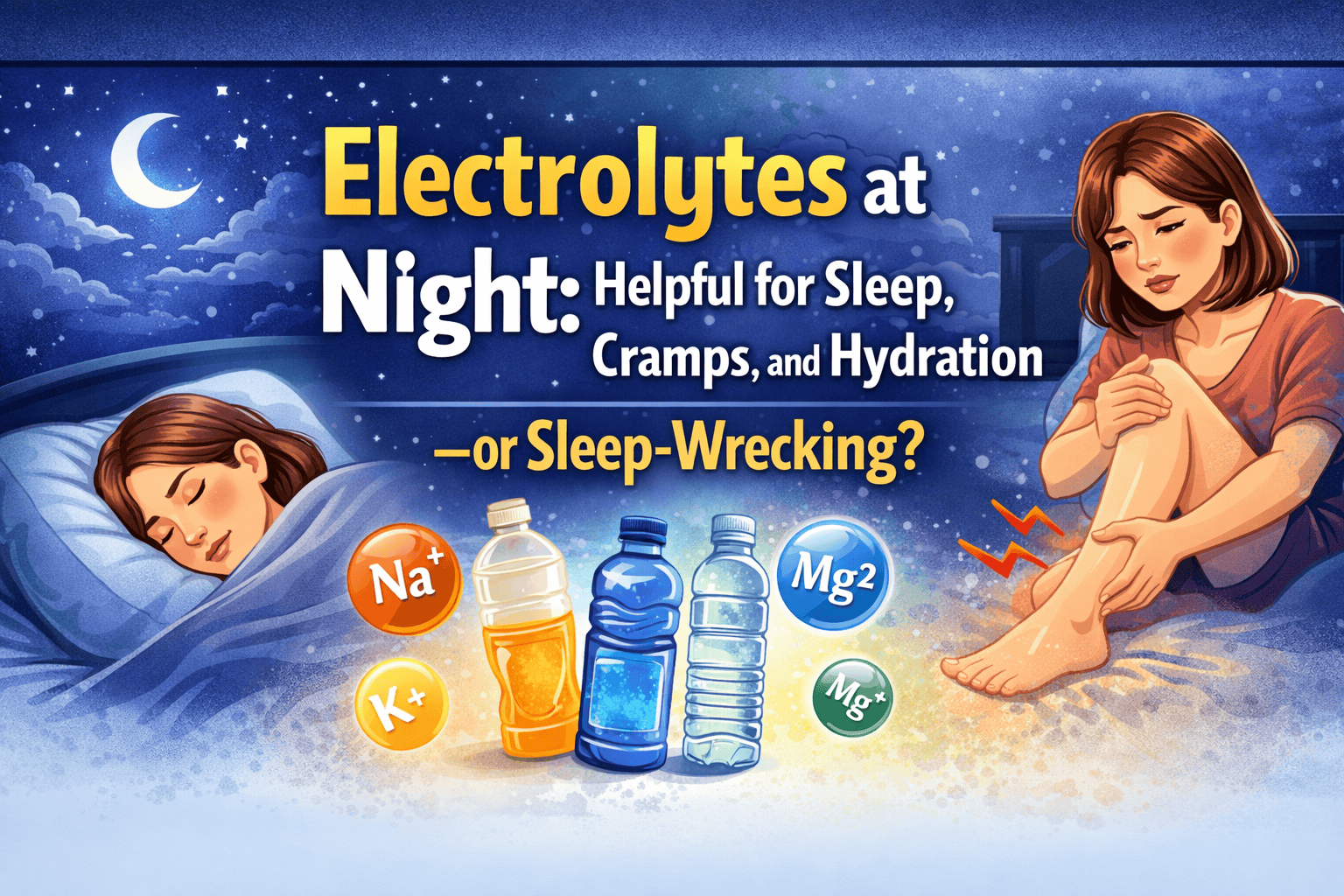
Electrolytes at Night: Helpful or Sleep-Wrecking?
Electrolytes • Sleep • Night Cramps • Nocturia • Hydration By VerifiedSupps Editorial Team Electrolytes at Night: Helpful or Sleep-Wrecking? Electrolytes at night can be either helpful or sleep-wrecking depending on why you are taking them. If the real issue
L-Theanine Side Effects: What’s Normal (and When to Stop)
L-Theanine • Side Effects • Dose • Sleepiness • Safety By VerifiedSupps Editorial Team L-Theanine Side Effects: What’s Normal (and When to Stop) L-theanine usually has a fairly gentle safety profile in the doses studied in humans, but “generally well
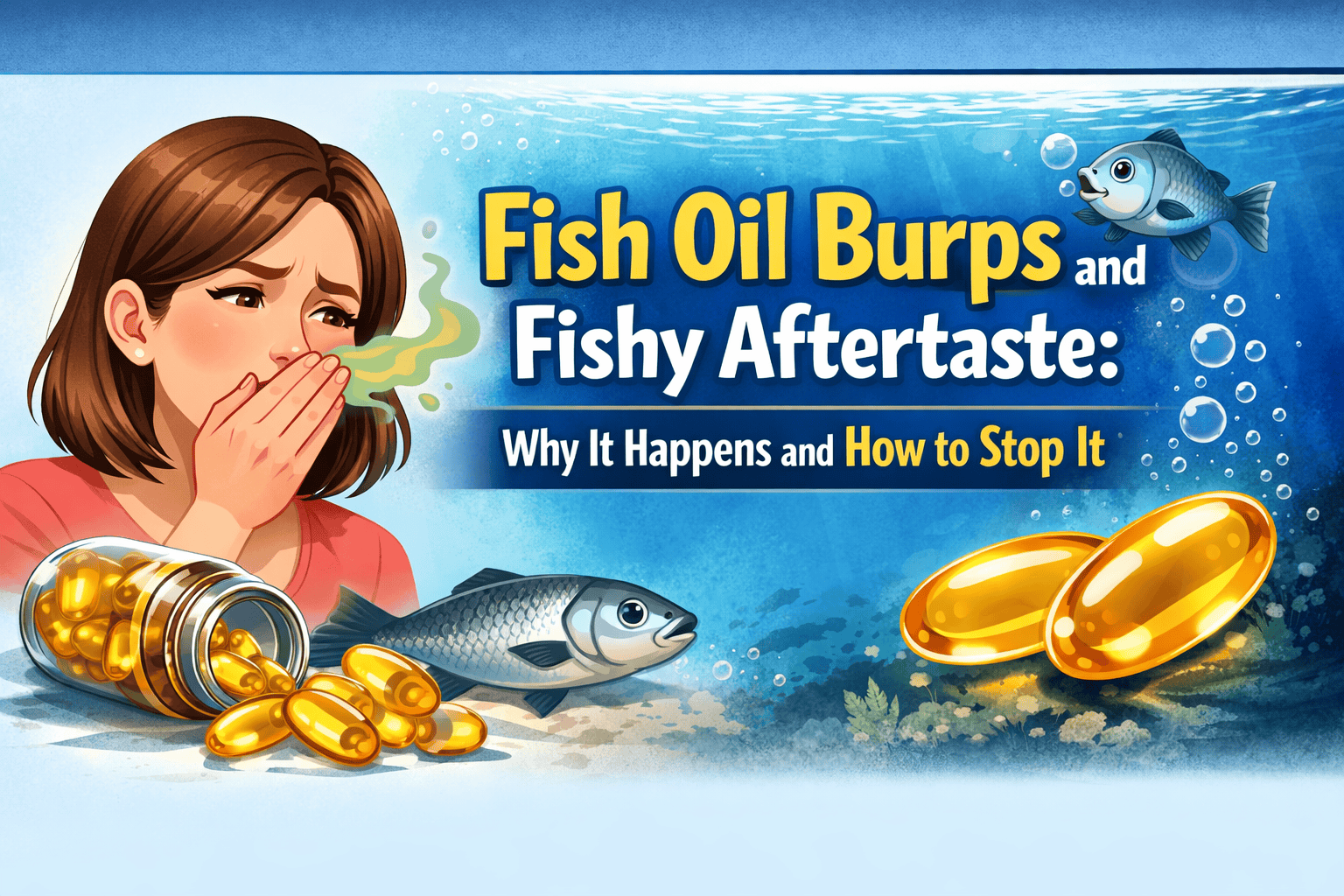
Fish Oil Burps and Fishy Aftertaste: Why It Happens and How to Stop It
Omega-3 • Fish oil • Burps • Fishy aftertaste • Tolerability By VerifiedSupps Editorial Team Fish Oil Burps / Fishy Aftertaste: Why It Happens (and How to Stop It) Fish oil burps usually happen because the oil comes back up