By VerifiedSupps Editorial Team
Creatine for Mental Focus: What It Can Help With and When You’ll Notice It
Creatine can help mental focus, but usually not in the way people expect. It is not a stimulant, it does not create a rush, and it usually does not feel “sharp” the way caffeine does. The real use case is steadier brain energy when your system is under load.
That is why creatine tends to make the most sense for mental fatigue, sleep-restricted weeks, heavy training plus mentally demanding work, or low dietary creatine intake. The signal is usually subtle but useful: less cognitive drag, better staying power, and fewer late-day crashes.
This page is focused on creatine as a cognitive-support tool for mental stamina and focus under load, not on the full muscle-performance creatine discussion.
Key terms: creatine monohydrate, brain energy, mental fatigue, sleep restriction, focus support, cognitive load, dose, timing
Quick Take
Creatine is most useful for focus when your brain is running on thin margins: poor sleep, long mental work blocks, hard training, stress, or low dietary creatine. The standard 3 to 5 grams of creatine monohydrate daily is still the practical default.
TL;DR decision
If your problem is mental fatigue under load rather than “I need a stimulant,” creatine is a smart low-drama experiment. Judge it by steadier cognitive stamina over weeks, not by an immediate sensation.
Evidence standard: human trials, dose ranges, guideline-level sources when available
Who this is for: people dealing with mental fatigue, poor sleep weeks, high cognitive demand, or low meat intake
Who this is not for: anyone looking for a stimulant-like hit, instant mood lift, or a replacement for sleep, workload design, or mental health care
Author: VerifiedSupps Editorial Team
Reviewed by: VerifiedSupps Editorial Team
Published: 2026-03-12
Updated: 2026-03-12
Last reviewed: 2026-03-12
Parent Hub
Creatine Monohydrate: Benefits, Science, and Dosage
Use the full creatine hub if you want the bigger picture on performance, saturation, safety, forms, and daily-use basics. This page stays tightly focused on mental focus and cognitive load.
When creatine helps mental focus most
Use this as a fast fit check before you assume creatine is either a must-have or a waste.
| Situation | Why it matters | Best use case | Best next move |
|---|---|---|---|
| Sleep restriction | Brain energy demand rises while recovery drops | One of the strongest mental-focus use cases | Use 3 to 5 g daily and judge fatigue resistance over time |
| High cognitive workload | Long focus blocks increase mental energy demand | Good fit | Track late-day brain fog and mental stamina |
| Vegetarian or low-meat intake | Lower dietary creatine may make supplementation more relevant | Often a stronger response scenario | Start with 3 g daily and stay consistent |
| You want a stimulant-like focus hit | That is not the core job of creatine | Poor fit | Treat creatine as energy support, not acute stimulation |
Best next step (today): If your real problem is mental fatigue under load, not lack of stimulation, start a boring 3 to 5 g daily creatine routine and judge it over 2 to 4 weeks.
How does creatine support mental focus?
Creatine helps support phosphocreatine availability, which matters for ATP regeneration. In plain English, it helps with short-burst energy recycling. That is relevant to muscle, but it is also relevant to the brain when demand is high.
Mechanism
- It supports the energy system that helps cells recharge quickly.
- That may matter more when the brain is taxed by poor sleep, stress, or long mental work blocks.
- This is why the “brain energy” framing makes more sense than expecting creatine to feel like a nootropic stimulant.
Who benefits most from creatine for focus?
Not everyone notices the mental side of creatine equally. The strongest real-world fit is usually people under heavy cognitive or recovery strain, not people who are already sleeping well, eating enough, and looking for a quick jolt.
Sleep-restricted people
When sleep is imperfect, energy support can matter more.
People with heavy mental workload
Long hours of focus, screens, decisions, and stress create a better use case.
Vegetarians or low-meat eaters
Lower dietary creatine intake can make supplementation more meaningful.
What dose of creatine is best for mental focus?
The standard creatine monohydrate dose still works here: 3 to 5 grams daily. You usually do not need a fancy brain-specific version, and you usually do not need an aggressive loading phase unless you personally prefer it.
Best form
Creatine monohydrate
Daily dose
3 to 5 g per day
Timing
Any time of day you will actually remember
If stomach upset happens
Split the dose or take it with food
When will you notice creatine for the brain?
Some people notice the mental side of creatine during especially rough weeks fairly quickly, but the fair expectation is still weeks, not hours. A good test is 2 to 4 weeks of steady daily use, with 4 to 8 weeks being an even cleaner judgment window.
What improvement usually looks like
Less mental fatigue, better late-day steadiness, fewer “fried brain” moments, and slightly better resilience when sleep or stress is not ideal.
Why might creatine not be helping your focus?
When creatine feels underwhelming, the issue is usually expectation, inconsistency, or the fact that energy was never the main bottleneck. Creatine can support the system, but it does not erase poor sleep, bad workload design, or severe stress.
Common mistakes
- Expecting a stimulant effect or a same-day “focus hit.”
- Taking it inconsistently and judging it too early.
- Ignoring the real bottleneck, such as sleep debt, anxiety, overwork, or poor hydration.
Clean test protocol
| Inputs | Use plain creatine monohydrate. Keep caffeine, sleep routine, and work schedule as stable as possible. Do not change five other supplements at the same time. |
|---|---|
| Duration | At least 2 to 4 weeks, with 4 to 8 weeks giving a cleaner read. |
| 3 metrics | 1) Late-day mental fatigue, 2) focus quality during long work blocks, 3) resilience during poor-sleep or high-stress days. |
| Stop conditions | Stop or change the approach if GI upset stays persistent, if the routine is too annoying to maintain, or if a medical condition makes creatine use something you should review with your clinician first. |
How to tell it’s working
The best sign is usually not “I feel sharper right now.” It is “I am less depleted by the end of demanding days,” or “bad sleep hits a little less hard.”
Red flags / seek care
Use clinician guidance if you have kidney disease, a medically complex situation, or a medication plan where kidney monitoring already matters. Also get help if cognitive symptoms are severe, rapidly worsening, or clearly beyond normal fatigue.
Selected Professional References
External links only. These are useful starting points for cognition under sleep deprivation, mental fatigue trials, brain phosphocreatine background, and creatine safety.
Creatine and cognition under sleep deprivation
Useful for the “creatine helps most when recovery is compromised” section.
Used for: sleep-loss use case
Creatine and mental fatigue trials
Helpful for judging when creatine may matter more for brain endurance than for acute stimulation.
Used for: mental fatigue
Brain phosphocreatine background
Useful for understanding why brain energy is even part of the creatine conversation.
Used for: mechanism background
Creatine monohydrate safety reviews
Useful for the overall safety framing and standard-dose practical guidance.
Used for: safety context
Go Deeper (VerifiedSupps Guides)
These next-step guides help you decide whether you need creatine itself, better timing habits, or a different focus-support angle entirely.
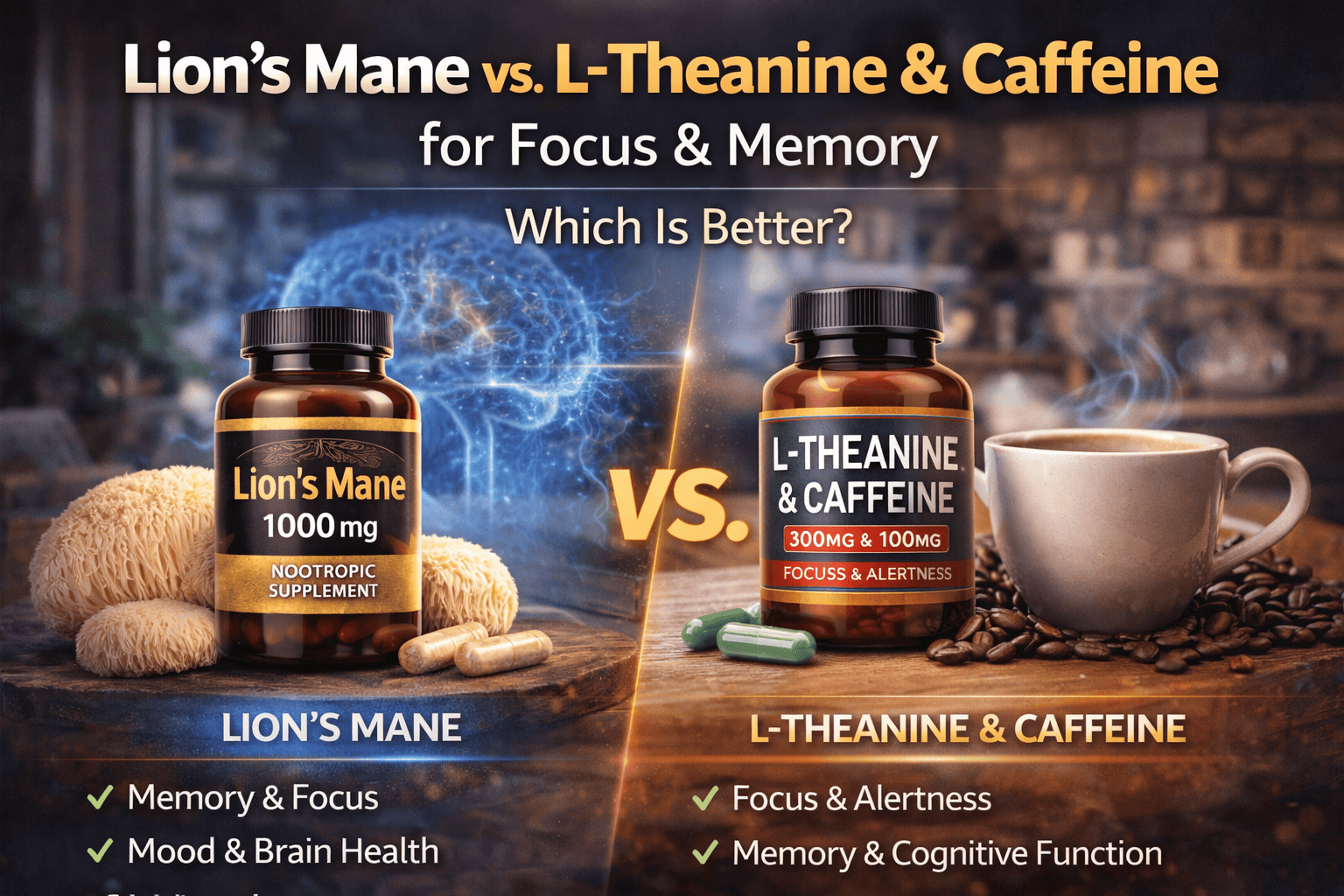
Caffeine + L-theanine focus stack
Use this if your real issue is alertness and edge control, not long-horizon brain energy support.
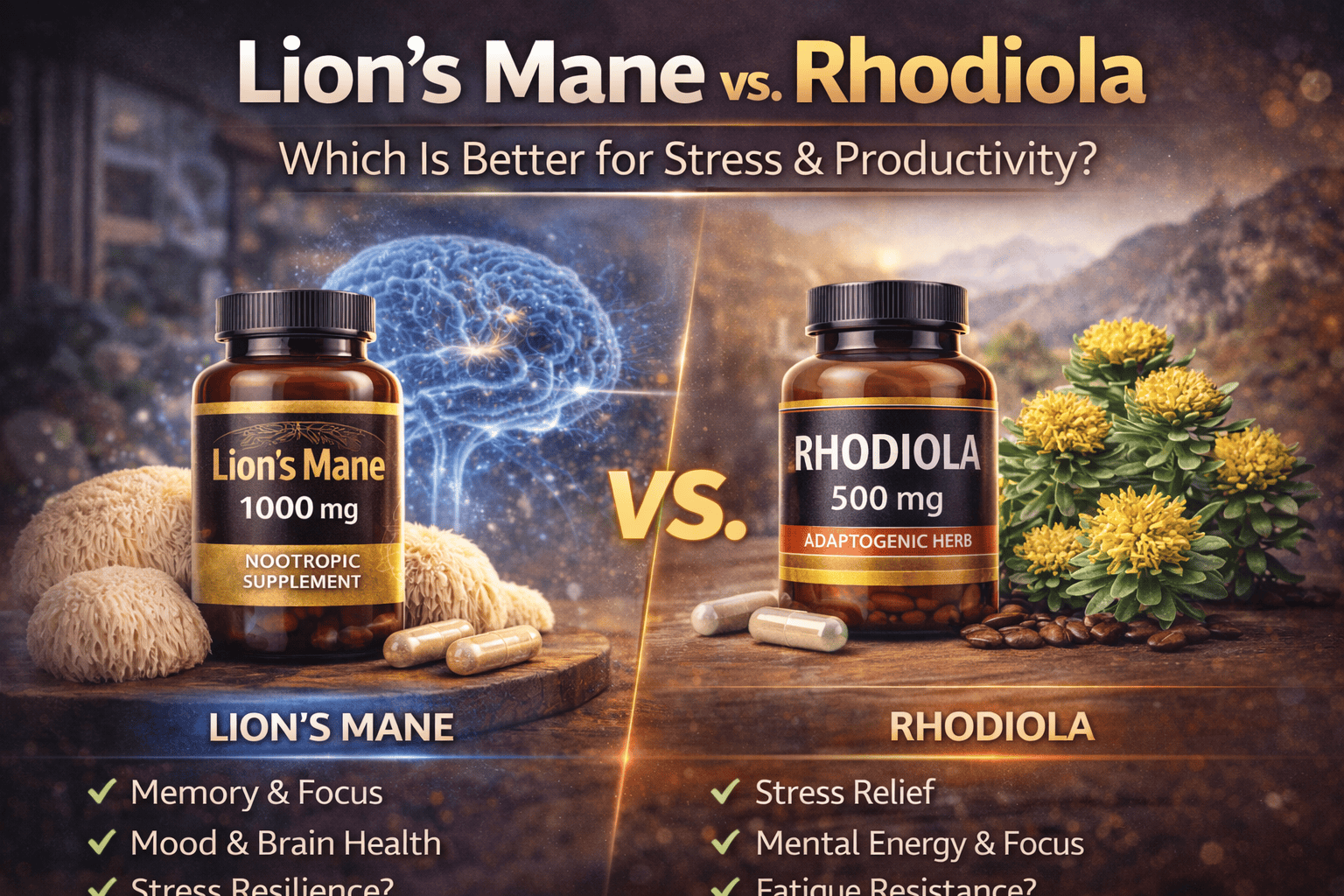
Rhodiola rosea benefits
Use this if stress resilience and mental fatigue are the main targets rather than creatine-specific energy support.
Omega-3 for mood and stress
Use this if you want the longer-horizon brain-resilience side rather than a creatine-specific angle.
Creatine before or after workout
Use this if your real question is timing and consistency, not whether creatine can support mental stamina.
Final Takeaway
Creatine for mental focus is mainly a brain-energy support play, not a stimulant play. If your days are cognitively heavy, your sleep is imperfect, or your system runs on thin margins, 3 to 5 grams of creatine monohydrate daily is one of the simplest long-term tests you can run.
FAQ
Does creatine help with focus?
It can, especially when the main problem is mental fatigue or brain energy under load rather than lack of stimulation.
How long does creatine take to work for the brain?
A fair test is usually 2 to 4 weeks, with 4 to 8 weeks giving a cleaner read.
What is the best dose of creatine for mental focus?
Most people still use the standard 3 to 5 grams of creatine monohydrate daily.
Should I take creatine in the morning for focus?
You can, but timing matters much less than taking it consistently every day.
Does creatine keep you awake?
Creatine is not a stimulant, so it usually is not the direct reason someone feels wired.
Is creatine better for focus when you are sleep deprived?
That is one of the most plausible and commonly discussed use cases, yes.
Do vegetarians respond more to creatine?
Often they may, because dietary creatine intake is usually lower to begin with.
Why does creatine sometimes feel like it is not working?
Because people often expect a stimulant effect or judge it too early instead of looking for steadier mental stamina over time.
Is creatine safe for the brain?
Creatine monohydrate has a strong safety reputation for many healthy adults, but medical context still matters if you have kidney disease or a more complex health picture.
VerifiedSupps Medical Disclaimer
This content is for educational purposes only and is not medical advice. Creatine may be useful for mental fatigue and brain-energy support in some contexts, but it is not a substitute for diagnosis, sleep, mental health care, or treatment of underlying medical issues. Talk with a qualified clinician before using supplements if you have kidney disease, significant medical conditions, are pregnant or nursing, or take prescription medications.